





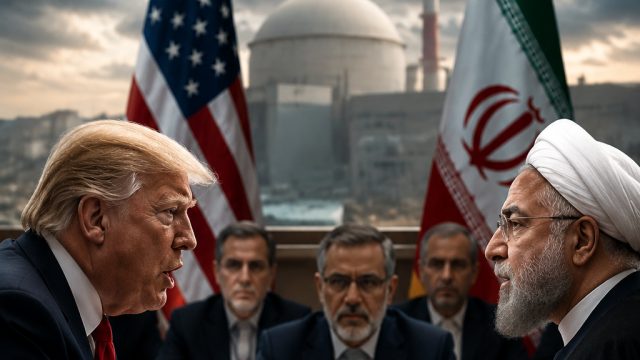
In an unexpected turn of events, former President Donald Trump has announced that Iran has "completely agreed" to allow inspections of its nuclear facilities. However, Iranian officials have quickly refuted these claims, stating that there are no new commitments regarding access to their nuclear sites. This contradiction has sparked significant international attention and raised questions about the future of diplomatic relations between the two nations.
The backdrop of Trump’s assertion comes amid ongoing discussions at a time when global tensions with Iran remain high. The interest in Iran's nuclear capabilities has been heightened since the 2015 nuclear deal, which aimed to curb Iran's nuclear ambitions in exchange for sanctions relief. After the U.S. withdrew from the agreement in 2018, the landscape of negotiations has been fraught with complications.
Trump's statement hinted at a potential re-engagement with the International Atomic Energy Agency (IAEA), which plays a crucial role in monitoring nuclear programs globally. However, Tehran's swift denial raises concerns about the reliability of any future agreements. The lack of transparency and trust between the two parties complicates the pathway forward.
The implications of these conflicting statements are significant. With rising tensions in the Persian Gulf and the potential for military escalation, clarity on Iran's nuclear intentions is more crucial than ever. The international community is urging both sides to engage in constructive dialogue to avoid further destabilization.
Public opinion on both sides of the aisle reflects a mix of skepticism and hope. Many Americans are wary of Iran's nuclear capabilities, yet there is a strong sentiment for diplomatic solutions over military action. For Trump, these claims may serve to reinforce his positioning on foreign policy as he navigates his political future.
The dynamics of international relations are complex, and the outcome of this situation extends beyond the U.S. and Iran. Countries in Europe and Asia are monitoring developments closely, as they have vested interests in the stability of the region, particularly regarding oil supplies and security alliances.
Moving forward, the onus is on both nations to clarify their positions and intentions. Analysts suggest several possible scenarios:
The conflicting statements from Trump and Iran illustrate the fragile nature of international diplomacy. As both sides navigate this complex landscape, the world watches with bated breath. The need for clear communication and genuine efforts toward peace has never been more pressing. The consequences of failing to resolve these tensions could be far-reaching, affecting not just the U.S. and Iran but also the global community’s approach to nuclear non-proliferation.

Scan to connect quickly

Get a free website and SEO planning proposal

Phone: +62 844 1536 9382
Address: Jl. Ahmad Yani No. 103, Bandung 40115, West Java, Indonesia
Email: rekhamonikaraja@gmail.com

 +62 844 1536 9382