





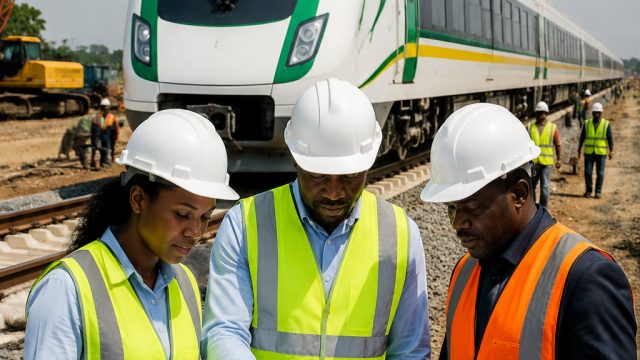
As the Train 7 project approaches a remarkable 90% completion rate, the implications for Nigeria's economy and local job market are becoming increasingly evident. This exciting development comes as a result of the collaborative efforts between the Nigerian Content Development and Monitoring Board (NCDMB) and the Nigeria Liquefied Natural Gas (NLNG) company, which are both committed to enhancing local content and value addition in the Nigerian gas sector.
The Train 7 project is set to generate approximately 16,000 jobs, reflecting a significant commitment to not only the construction sector but also the broader Nigerian economy. This initiative aims to provide new employment opportunities in various fields, from engineering to project management, thereby supporting the livelihoods of thousands of families across the nation.
One of the primary goals of the NCDMB and NLNG is to deepen local content in Nigeria's gas and oil industries. By prioritizing local suppliers and service providers, the project is designed to retain a larger share of revenue within the country. This approach fosters sustainable growth and promotes the development of local businesses—an essential factor for economic resilience.
Train 7 is not only a catalyst for job creation but also a hotbed for technological advancements in the Nigerian gas industry. The project incorporates state-of-the-art technology and innovative practices designed to enhance efficiency and reduce environmental impact. This commitment to modern technologies will set new standards for future projects, ensuring that Nigeria remains competitive in the global energy market.
While the progress of Train 7 is commendable, there are still hurdles to overcome. Addressing issues related to project financing, regulatory frameworks, and ensuring the sustainability of local suppliers will be paramount. Continued collaboration between the government and private sector is essential to navigating these challenges effectively.
The benefits of the Train 7 project extend beyond mere job creation. It also emphasizes corporate social responsibility (CSR) initiatives aimed at uplifting local communities. Through educational programs, healthcare improvements, and infrastructure development, NLNG demonstrates its dedication to making a positive impact on society as a whole.
The nearing completion of the Train 7 project represents a pivotal moment for Nigeria's energy sector and its economy. With significant job creation, a focus on local content, and the adoption of innovative technologies, the project is set to enhance Nigeria's position in the global energy landscape. As stakeholders continue to work together, the prospects for a prosperous and self-sufficient economy appear promising. It is crucial for all involved to maintain momentum and address any emerging challenges to fully realize the transformative potential of this landmark initiative.

Scan to connect quickly

Get a free website and SEO planning proposal

Phone: +62 844 1536 9382
Address: Jl. Ahmad Yani No. 103, Bandung 40115, West Java, Indonesia
Email: rekhamonikaraja@gmail.com

 +62 844 1536 9382