




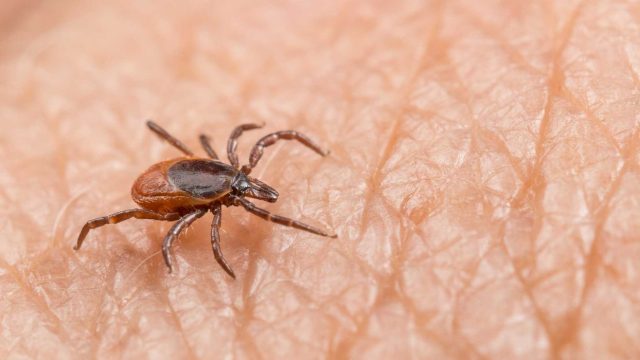
As we approach 2026, the landscape of Lyme disease risk in Quebec has significantly changed, with a recent report from the Institute National de Santé Publique du Québec (INSPQ) announcing the inclusion of 174 additional municipalities in the at-risk category. This expansion highlights an urgent need for awareness and preventive measures against Lyme disease, which has been on the rise in the province.
Lyme disease, caused by the bite of an infected black-legged tick, poses serious health risks if not addressed promptly. In recent years, Quebec has seen an alarming increase in reported cases. In 2025 alone, there were 1,021 confirmed cases, with 927 of those infections occurring within the province's borders. This upward trend underscores the necessity for residents to be vigilant.
The rise in Lyme disease cases can be attributed to a combination of factors, including climate change, which has extended the habitat of ticks into new regions. Additionally, urban development and changing land use patterns have facilitated the spread of these vectors, placing more people at risk. The newly identified municipalities reflect this shift, as the black-legged tick population continues to expand throughout southern Quebec.
The latest findings from the INSPQ indicate that out of 1,098 municipalities in Quebec, a staggering 685 are now considered at risk for Lyme disease. This expansive territory includes areas previously not recognized as endemic zones, which raises the stakes for prevention and public health initiatives.
Given the expanding risk of Lyme disease, it is crucial for residents to take preventive measures seriously. The INSPQ recommends that anyone engaging in outdoor activities, especially in areas identified as high-risk, should:
Furthermore, post-exposure prophylaxis (PEP) may be recommended in certain situations after a tick bite, emphasizing the importance of timely medical consultation and awareness of symptoms.
The expansion of Lyme disease risk areas in Quebec serves as a vital reminder for residents to remain vigilant as they engage with nature. With health authorities sounding the alarm, community education and proactive measures can play a crucial role in preventing the spread of Lyme disease. As we move closer to 2026, now is the time for everyone to familiarize themselves with Lyme disease risks, engage in preventive practices, and promote awareness to protect themselves and their communities.

Scan to connect quickly

Get a free website and SEO planning proposal

Phone: +62 844 1536 9382
Address: Jl. Ahmad Yani No. 103, Bandung 40115, West Java, Indonesia
Email: rekhamonikaraja@gmail.com

 +62 844 1536 9382