

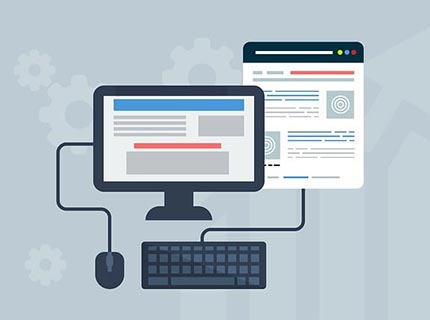


On-page SEO refers to the optimization techniques applied directly to the website pages. Understanding its importance can significantly impact your site's performance in search rankings.
Proper keyword placement in titles, headings, and throughout the content is essential for search engines to understand the context of your pages. Avoid keyword stuffing; focus on natural integration instead.
Meta tags and descriptions provide concise information about your page to search engines and users. Crafting compelling meta descriptions can improve click-through rates from search results.
High-quality content that answers the user’s query is vital for on-page SEO. Engaging, informative content keeps users on your site longer, signaling search engines of quality.
Images enhance the user experience, but they must be optimized for SEO. Use alt tags and descriptive filenames to help search engines understand the context of your images.
Internal links help distribute page authority and improve navigation within your site. Strategically linking to related content encourages users to explore more and can enhance SEO.
On-page SEO is a fundamental aspect of website optimization. By focusing on key elements such as keyword placement, content quality, and meta tags, you can significantly enhance your site’s search ranking.

Scan to connect quickly

Get a free website and SEO planning proposal

Phone: +62 844 1536 9382
Address: Jl. Ahmad Yani No. 103, Bandung 40115, West Java, Indonesia
Email: rekhamonikaraja@gmail.com

 +62 844 1536 9382