





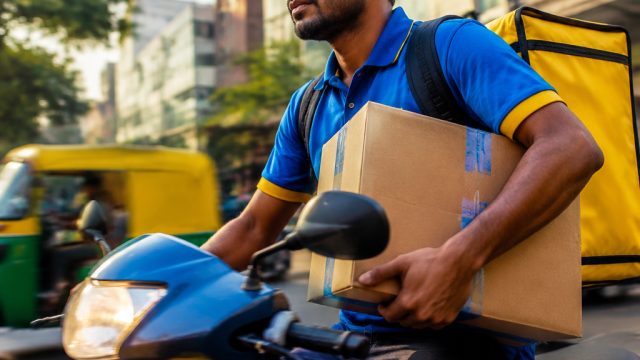
In an intense race for supremacy in India's e-commerce sector, Flipkart, backed by retail giant Walmart, is making significant strides in the quick-commerce arena. The company recently announced the establishment of over 1,000 micro-fulfillment centers across the country, a move aimed at enhancing delivery speed and efficiency. This development comes at a time when Amazon is ramping up its own quick-commerce operations in India, making the marketplace increasingly competitive.
Quick commerce, often referred to as q-commerce, is a business model focused on delivering products to consumers at lightning speed—typically within hours of placing an order. The rise of this model has reshaped consumer expectations, with rapid delivery becoming a key factor in purchasing decisions. In a densely populated and diverse market like India, the ability to deliver groceries, electronics, and everyday essentials promptly is crucial.
As Flipkart expands its quick commerce capabilities, it leverages several advantages in its strategy:
Flipkart, being domestically rooted, possesses a nuanced understanding of local markets and consumer behavior. This insight enables the company to tailor its offerings and delivery mechanisms in ways that resonate with Indian consumers.
Flipkart has forged numerous partnerships with local retailers and logistics providers, enhancing its distribution network. This collaboration allows for a more agile response to consumer needs and market changes.
Despite its significant advancements, Flipkart is not without challenges. The competitive landscape, dominated by Amazon and other players, poses several hurdles:
Amazon's substantial investment in its quick-commerce infrastructure and customer loyalty programs makes it a formidable competitor. Flipkart will need to continually innovate and improve its services to stay relevant.
Managing a network of micro-fulfillment centers requires sophisticated logistics capabilities. Flipkart must ensure that its operations are efficient and scalable to meet rising consumer expectations.
The outlook for Flipkart in the quick-commerce segment appears promising, especially as online shopping continues to flourish in India. Here are a few trends to watch for:
As Flipkart embarks on this ambitious expansion in quick commerce, the implications for India's retail landscape are profound. With the demand for fast, reliable service at an all-time high, Flipkart's strategic moves could redefine consumer expectations and set new standards in e-commerce. As competitors like Amazon ramp up their efforts, it remains essential for Flipkart to continuously innovate and adapt to maintain its competitive edge.

Scan to connect quickly

Get a free website and SEO planning proposal

Phone: +62 844 1536 9382
Address: Jl. Ahmad Yani No. 103, Bandung 40115, West Java, Indonesia
Email: rekhamonikaraja@gmail.com

 +62 844 1536 9382