




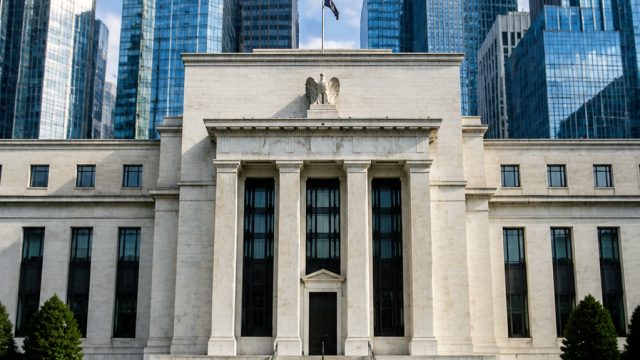
The latest stress test conducted by the Federal Reserve has provided crucial insights into the stability of major US banks. As concerns over economic stability loom, particularly in light of potential downturns, the results indicate that these institutions are well-prepared to absorb substantial losses. Specifically, the Fed determined that US banks could withstand losses upwards of $700 billion without collapsing.
The findings come at a critical time when economic uncertainties are influencing financial markets worldwide. Investors are particularly keen on assessing the resilience of large banks, especially given recent economic indicators suggesting a possible recession. The stress tests, conducted annually, are designed to simulate various economic scenarios and assess how these banks would perform under duress.
During the stress tests, banks are evaluated on their capital adequacy and risk management practices. This year, the Federal Reserve has implemented a more rigorous assessment framework, which tests banks against hypothetical scenarios that could involve severe economic downturns.
These evaluations ensure that banks have enough capital reserves to maintain their operations and absorb losses, thereby safeguarding the broader financial system.
For investors, the results of the stress tests are reassuring. Major banks, such as JPMorgan Chase and Bank of America, not only passed but also indicated plans to raise dividends, reflecting confidence in their financial health. This is critical as it signals to investors that these banks are not only capable of weathering the storm but are also committed to rewarding their shareholders.
The strength of these institutions can have a direct impact on consumers. A robust banking sector plays a vital role in promoting economic stability. With banks well-positioned to handle potential crises, consumers can feel more secure in their financial transactions, loans, and savings. This stability is essential for maintaining trust in the financial system.
Despite the positive outlook presented by the stress tests, economic challenges are ever-present. Factors such as inflation, geopolitical tensions, and market volatility continue to pose risks. The Fed's proactive measures and the resilience of banks can help mitigate these risks, but ongoing vigilance is needed.
The Federal Reserve's commitment to stringent regulatory measures ensures that banks maintain robust capital positions. This is critical not only for preventing individual bank failures but also for promoting overall market confidence. Analysts believe that this comprehensive regulatory environment is a key component in sustaining financial stability.
As we advance into an uncertain economic future, the resilience demonstrated by major banks during the stress tests will be a pivotal factor in navigating potential challenges.
The recent stress test results from the Federal Reserve showcase the preparedness of US banks to handle economic downturns effectively. With an overall capacity to endure significant financial losses, these institutions are positioned to maintain stability in the face of adversity. For investors and consumers alike, this signifies a strong foundation that can weather future economic storms. However, continuous monitoring and regulatory efforts remain essential to ensure that the banking sector remains robust and responsive in an ever-changing economic landscape.

Scan to connect quickly

Get a free website and SEO planning proposal

Phone: +62 844 1536 9382
Address: Jl. Ahmad Yani No. 103, Bandung 40115, West Java, Indonesia
Email: rekhamonikaraja@gmail.com

 +62 844 1536 9382