




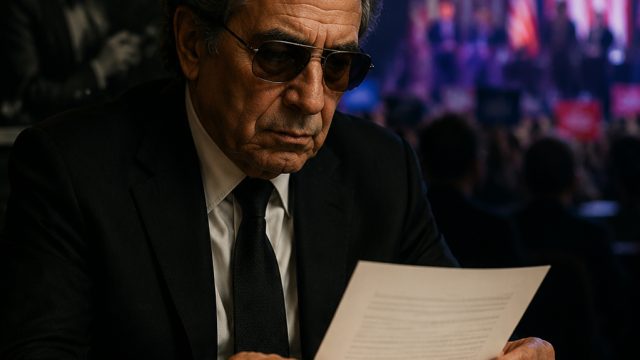
In the realm of political events, music often plays a critical role in setting the tone and resonating with audiences. However, the recent announcement regarding the performance of Leonard Cohen's iconic song 'Hallelujah' at a Trump rally has sparked significant controversy. The estate of the late singer-songwriter has made it clear that they do not support the use of this song in a political context, especially at events that may not align with Cohen's values.
Leonard Cohen, renowned for his profound lyrics and emotive melodies, left behind a legacy that resonates with many. His song 'Hallelujah' has been covered by numerous artists and has become a staple in various cultural contexts. However, the Cohen estate has expressed concern over its use in political rallies, particularly by figures whose ideologies may not reflect the essence of Cohen’s work. This situation raises questions about the ownership and expression of art in political arenas.
The estate representing Leonard Cohen has taken a firm stance against the intended performance of 'Hallelujah' at Trump’s Freedom 250 rally. Their statement indicates a commitment to preserving the integrity of Cohen’s music and ensuring it is not co-opted for purposes that counter his artistic vision. This situation is not just about a song; it's about the broader implications of how music can be manipulated in political discourse.
The public response to the estate's declaration has been mixed, with many fans expressing support for protecting Cohen’s legacy. Social media platforms have been abuzz with discussions about the appropriateness of using artistic works in political contexts. Supporters argue that artists have a right to uphold their values and ensure their creations are used respectfully. This aligns with the increasing sentiment among artists and creators advocating for the ethical use of their work in various media.
This moment brings to light a pressing issue regarding artist rights and the preservation of artistic intent. In an age where music, literature, and art often become tools for political agendas, it is vital for artists and their estates to maintain control over how their work is presented. Here are some key considerations:
As we move forward, the intersection of music and politics will likely continue to be a contentious topic. Events like the Trump rally showcase the complex relationship between art and political expression. While some may argue for the freedom of expression in political events, others emphasize the need for respect towards the artists and their intentions.
Engaging in discussions about these topics is essential. Music and art serve as powerful mediums for communication and influence, and understanding their place in political representation can help foster better relationships between artists, their estates, and political entities. As Cohen's estate stands firm against the unauthorized use of 'Hallelujah', it serves as a reminder of the importance of dialogue regarding the appropriation of art.
The Cohen estate's opposition to the use of 'Hallelujah' at a political rally emphasizes the ongoing conversation about art and its role in politics. As artists and their representatives navigate this landscape, the need for a balanced approach to artistic integrity and political expression becomes increasingly clear. Ensuring that music honors the legacy of its creators is paramount, and this instance highlights the ongoing challenges faced in this dynamic interplay.

Scan to connect quickly

Get a free website and SEO planning proposal

Phone: +62 844 1536 9382
Address: Jl. Ahmad Yani No. 103, Bandung 40115, West Java, Indonesia
Email: rekhamonikaraja@gmail.com

 +62 844 1536 9382