

 +62 844 1536 9382





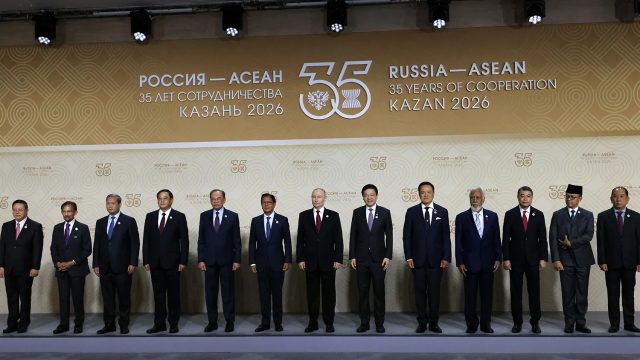
Russia's Strategic Energy Moves in Southeast Asia: What You Need to Know
As global demand for energy continues to rise, Southeast Asia has become a focal point for international energy relations, particularly for Russia. With its rich natural resources and growing economies, this region presents significant opportunities for energy collaboration. Vladimir Putin's recent initiatives emphasize Russia's aim to solidify its influence in this fuel-hungry area.
The Current Energy Landscape in Southeast Asia
Southeast Asia is witnessing a dramatic surge in energy consumption, fueled by rapid industrialization and urbanization. Countries like Indonesia, Vietnam, and Thailand are grappling with energy shortages, making them increasingly reliant on foreign investment and partnerships. This dependency opens the door for Russia to expand its energy footprint in the region.
Key Players in Southeast Asia's Energy Market
- Indonesia: As the largest economy in Southeast Asia, Indonesia has significant oil and gas reserves, attracting attention from Russia.
- Vietnam: With its growing energy needs, Vietnam is looking for reliable suppliers and has engaged in discussions with Russia.
- Thailand: Thailand's energy sector is evolving, with a push towards renewable sources, yet it still requires traditional energy sources, including those offered by Russia.
Russia's Energy Diplomacy: A Double-Edged Sword
Russia’s approach to energy diplomacy in Southeast Asia can be viewed as a strategic maneuver to counterbalance Western influence. By establishing energy agreements with countries in this region, Russia seeks to bolster its position in global energy markets.
Potential Risks and Benefits
While the benefits of partnerships between Russia and Southeast Asian nations are evident, there are potential risks involved:
- Dependence on Russian Energy: Relying heavily on Russian energy supplies could lead to economic vulnerabilities for Southeast Asian countries.
- Geopolitical Tensions: Strengthening ties with Russia may provoke concerns among Western nations, potentially leading to sanctions or other diplomatic pressures.
- Market Volatility: Engaging with Russia could expose Southeast Asia to fluctuations in energy prices, particularly in a rapidly changing global market.
Future Outlook for Russia-Southeast Asia Energy Relations
Looking ahead, the trajectory of energy relations between Russia and Southeast Asia will depend on several factors, including geopolitical developments, market dynamics, and domestic energy policies.
Expected Trends and Developments
Key trends to watch in the coming months include:
- Increased Investment: Expect a surge in investment from Russia in renewable energy projects to meet Southeast Asia's long-term sustainability goals.
- New Agreements: Look for new bilateral agreements between Russia and individual nations focused on stabilizing energy supplies.
- Regional Cooperation: Multilateral efforts among ASEAN members to diversify energy sources may impact Russia's strategy.
Conclusion
Russia's energy strategy in Southeast Asia is evolving amid shifting global dynamics. As the region continues to grow, its energy needs will make it a critical player in international energy markets. For countries looking to strengthen their energy security, the decisions made today will have lasting implications for their future partnerships and economic stability. Understanding these developments is essential for stakeholders across the globe as they navigate an increasingly complex energy landscape.

