




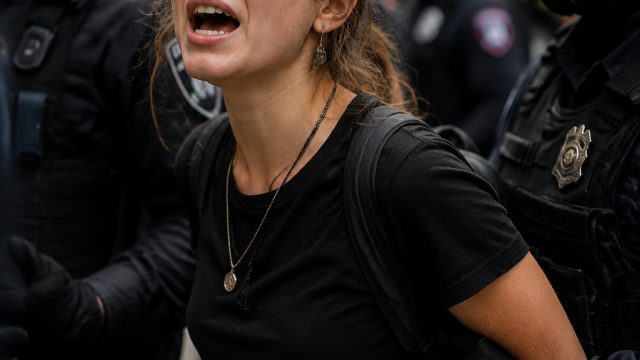
In a significant legal development that has sparked widespread debate, several individuals associated with anti-ICE protests in Texas have been sentenced to lengthy prison terms after being convicted of serious charges. This unprecedented ruling raises critical questions about the future of activism in the United States and its potential repercussions for similar movements nationwide.
The protesters were involved in a demonstration at an ICE facility in Alvarado, Texas, which escalated into a violent confrontation. The Justice Department has categorized the actions during this protest as terrorism-related, resulting in multiple convictions for the participants. Among those sentenced, some received terms exceeding 50 years, with one prominent figure facing a staggering 100-year sentence.
The protests stemmed from escalating tensions surrounding immigration policies, particularly the controversial practices of Immigration and Customs Enforcement (ICE). Activists aimed to draw attention to the treatment of immigrants and the broader implications of current immigration laws. The situation quickly grew heated, turning what began as a peaceful demonstration into an event filled with chaos and confrontation.
The lengthy prison terms handed down to these individuals are likely to have a chilling effect on activism across the country. Legal experts and activists alike express concern that such harsh penalties could deter individuals from engaging in protests, particularly those involving contentious issues like immigration and security. Here are some key implications:
Community responses to the sentences have been polarized. Supporters of the protesters argue that these sentences are disproportionate and infringe on the right to free speech and assembly. Conversely, some members of the public and law enforcement maintain that the severity of the actions warranted strict penalties, thus prioritizing public safety.
This situation casts a long shadow over the future of activism in America. As social issues continue to polarize the nation, the legal consequences faced by activists could redefine how movements operate moving forward. Here are some factors that could influence the landscape:
With the integration of technology in activism, such as social media and digital forums, there is a growing opportunity for organizations to rally support without the physical presence that can lead to confrontations. This shift highlights the importance of understanding the nuances in today's activism landscape.
The sentences handed down to the anti-ICE protesters in Texas serve as a stark reminder of the growing tensions surrounding activism in America. The potential for severe legal consequences may reshape how movements operate, emphasizing the need for a careful examination of the implications for freedom of speech and civic engagement. As this story continues to unfold, it will be essential for activists, legal experts, and the public to engage in open dialogues about the future of protest and dissent in the face of institutional power.

Scan to connect quickly

Get a free website and SEO planning proposal

Phone: +62 844 1536 9382
Address: Jl. Ahmad Yani No. 103, Bandung 40115, West Java, Indonesia
Email: rekhamonikaraja@gmail.com

 +62 844 1536 9382