

 +62 844 1536 9382



Nvidia's New Cooling System: A Step Forward or Just a Drop in the Bucket?
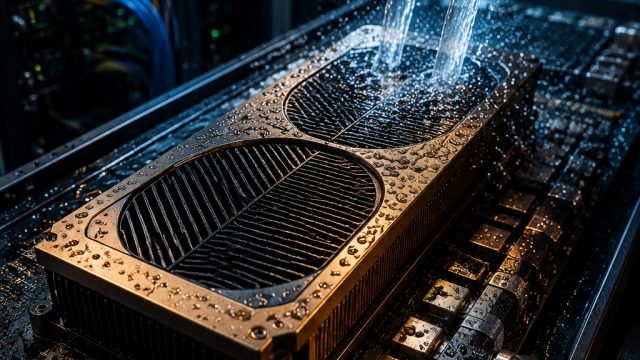
Nvidia has recently unveiled a groundbreaking cooling system designed to minimize water consumption within data centers. While this innovation showcases the tech giant's commitment to sustainability, it raises important questions regarding the overall water footprint of artificial intelligence. As AI continues to expand its reach across various industries, understanding its environmental impact has never been more critical.
The Challenge of AI's Water Consumption
Artificial Intelligence is revolutionizing sectors from finance to healthcare, but this rapid growth comes at a cost. The energy required to power AI systems presents a significant environmental challenge, particularly in terms of water usage. Most energy production, especially fossil fuels, requires vast amounts of water for cooling and processing, a fact often overlooked in discussions about AI's sustainability.
Understanding Water Usage in Power Generation
According to recent studies, traditional power plants, particularly coal and natural gas plants, consume tremendous amounts of water. In fact, the water required for cooling these facilities can often rival or even exceed the water usage of the data centers they support. This underscores a critical link that Nvidia's new cooling system does not address—reducing data center water use while ignoring the broader implications of energy sourcing.
The Role of Renewable Energy
If Nvidia's cooling system is to be deemed truly sustainable, a concerted effort to shift toward renewable energy sources is essential. Solar, wind, and hydroelectric power not only reduce carbon emissions but also typically require less water than traditional fossil fuels. By advocating for renewable energy adoption, tech companies can significantly mitigate AI's overall water consumption.
Nvidia's Cooling System Explained
Nvidia's latest innovation incorporates advanced technologies aimed at optimizing water usage in their data centers. Here are some key features of this system:
- Efficient Heat Exchange: The new cooling system uses innovative materials to enhance heat exchange efficiency, reducing the total amount of water needed.
- Hybrid Cooling Methods: Combining traditional cooling with evaporative methods helps minimize reliance on water, especially in arid regions.
- Smart Monitoring: Real-time data analytics allow for proactive management of cooling resources, ensuring minimal wastage.
Potential Benefits for the Industry
By adopting these technologies, Nvidia is setting a precedent for other tech companies aiming to lessen their environmental impact. The implications of such advancements could lead to significant changes across the tech landscape:
- Enhanced corporate responsibility leading to better public perception.
- Increased compliance with environmental regulations.
- Cost savings over time through reduced water usage.
The Bigger Picture: AI and Environmental Responsibility
As the tech sector grows, there's a pressing need to evaluate the environmental impact that comes with it. Nvidia's innovation is a commendable step towards addressing water usage in data centers, but it cannot be viewed in isolation. The interplay between energy sourcing and data processing must take center stage in the conversation surrounding AI sustainability.
Industry-Wide Action Required
For real change to transpire, an industry-wide commitment to sustainability must be established. Companies must consider how their energy is sourced, adopting practices that prioritize water conservation alongside energy efficiency. Initiatives such as:
- Partnering with renewable energy providers.
- Investing in sustainable infrastructure.
- Advocating for regulatory changes supporting environmental practices.
Conclusion
Nvidia's new cooling system represents an important step towards reducing the water usage of data centers, but it does not solve the fundamental issue of AI's broader water footprint. By addressing energy sourcing and investing in renewable technologies, the tech industry can create a more sustainable future for artificial intelligence. As innovations in cooling technology emerge, so too must our commitment to ensuring that AI development aligns with environmental stewardship.

