



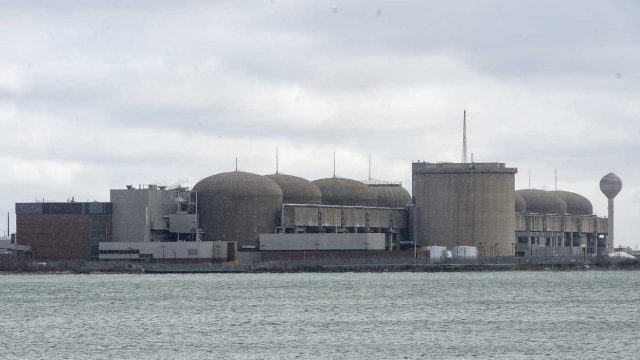
In a bold move to reshape its energy landscape, Canada is setting the stage for the construction of up to ten new nuclear reactors over the next 15 years. Announced by Energy Minister Tim Hodgson, this initiative marks a critical moment for the nation as it seeks to enhance energy independence and boost uranium exports. The strategy, termed a "new civilian nuclear renaissance," is vital for addressing the growing energy demands while transitioning to a low-carbon economy.
As Canada aims to double its electrical grid capacity by 2050, the government recognizes nuclear energy as an indispensable player in this ambitious goal. Hodgson emphasized that without nuclear power, the dream of becoming an energy superpower remains out of reach. He stated, "There is no credible plan for Canada to become an energy superpower if we choose not to build upon one of the strongest energy advantages we have." This sentiment highlights the critical role of nuclear energy in providing clean, reliable baseload power.
Alongside the domestic expansion, Canada is also looking to increase its presence in the global market by exporting Candu reactors. Currently recognized for their efficiency and safety, Candu reactors are a strong selling point for countries looking to diversify their energy sources. The government's strategy aims to capitalize on this demand, suggesting that many nations are in search of nuclear capabilities to meet their energy needs.
Countries around the world are increasingly turning to nuclear power as a means to address energy shortages and combat climate change. The expansion of Candu reactors into international markets not only positions Canada as a leader in nuclear technology but also offers a significant economic opportunity. The potential for increased uranium exports aligns with this vision, leading to greater revenue for the Canadian economy.
While the plans to develop nuclear energy are promising, several challenges remain. Regulatory hurdles, public perception of nuclear safety, and the initial capital investment required to build new reactors are significant concerns. Canada's government must engage with local communities and stakeholders to foster support and address these issues effectively.
The success of this nuclear initiative hinges on public acceptance. Historical events and concerns regarding safety and waste management could pose challenges. Therefore, it's essential for the government to ensure transparency in its processes and enhance public education regarding the safety and environmental benefits of nuclear energy.
Canada's commitment to building new nuclear reactors and expanding its Candu reactor exports signifies a pivotal shift towards energy independence and sustainability. As the nation stands on the brink of a new energy era, the integration of nuclear power is crucial not just for meeting local demands but also for establishing Canada as a competitive player in the global energy market. By addressing the challenges head-on and promoting public understanding, Canada can harness its nuclear resources to secure a cleaner, more energy-secure future.

Scan to connect quickly

Get a free website and SEO planning proposal

Phone: +62 844 1536 9382
Address: Jl. Ahmad Yani No. 103, Bandung 40115, West Java, Indonesia
Email: rekhamonikaraja@gmail.com

 +62 844 1536 9382