
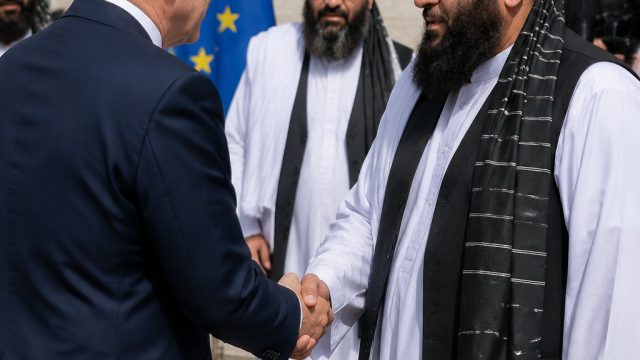
As the European Union faces mounting pressure from lawmakers and human rights organizations, the future of its diplomatic relations with the Taliban is now a hotly debated topic. Amid escalating concerns over the Taliban's human rights record since their return to power in Afghanistan, many are urging the EU to reconsider its approach to negotiations. This critical reassessment comes at a pivotal moment in international relations, as the Taliban's actions continue to spark outrage worldwide.
With reports of ongoing abuses under Taliban rule, rights groups assert that engaging with the regime could inadvertently legitimize its authority. On October 15, 2023, a coalition of 55 lawmakers and prominent human rights advocates penned a letter urging the EU to suspend any planned discussions with Taliban representatives. They argue that any interaction would send a dangerous signal that the international community is willing to overlook grave violations in exchange for political dialogue.
The implications of the EU's decision are far-reaching. By entering negotiations, the EU risks undermining global human rights standards and sending a message that such violations can be tolerated. Activists have pointed out that the Taliban has implemented policies targeting women, minorities, and freedom of expression since regaining control. The pressing question remains: can the EU afford to support a regime that blatantly disregards human rights?
As the EU navigates these complex waters, the political ramifications of its decisions cannot be understated. Engaging with the Taliban could potentially open doors for economic aid and humanitarian support, but at what cost? Critics argue that this approach may reinforce a regime known for its repression and violence. The letter from lawmakers highlights the dichotomy between aiding the Afghan populace and legitimizing a government that opposes fundamental human rights.
Public sentiment plays a crucial role in shaping the EU's foreign policy. The events in Afghanistan have garnered significant media attention, calling for accountability and action. Many citizens across Europe are rallying against the prospect of recognizing the Taliban, promoting an alternative narrative that prioritizes human rights over political expediency. The EU must carefully consider these voices as it contemplates its next steps.
Organizations and activists are mobilizing to ensure that the plight of Afghans remains a priority for European leaders. They are utilizing social media platforms, organizing protests, and engaging in dialogue with policymakers to advocate against the normalization of the Taliban. This grassroots momentum could influence the EU's decision-making process significantly as it faces mounting pressure.
The calls from lawmakers and rights groups for the EU to cancel talks with the Taliban underscore a critical inflection point in international relations. As the humanitarian situation in Afghanistan deteriorates, the EU must weigh the benefits of engagement against the potential moral cost. The discussions surrounding this issue are not merely political; they represent the values and principles that govern our world. In a time when many are questioning the international community's commitment to human rights, it is vital for the EU to take a stand that reflects its core beliefs. Ensuring that the voices of those suffering under Taliban rule are heard is imperative as the EU navigates this complex geopolitical landscape.

Scan to connect quickly

Get a free website and SEO planning proposal

Phone: +62 844 1536 9382
Address: Jl. Ahmad Yani No. 103, Bandung 40115, West Java, Indonesia
Email: rekhamonikaraja@gmail.com

 +62 844 1536 9382